Exploring India's Rich Cultural Heritage: A Guide to Historical Sites
India has more than 40 UNESCO World Heritage Sites and thousands of other forts, temples, tombs and monuments. These six places show how varied the country’s past is, and each is worth a day or more.
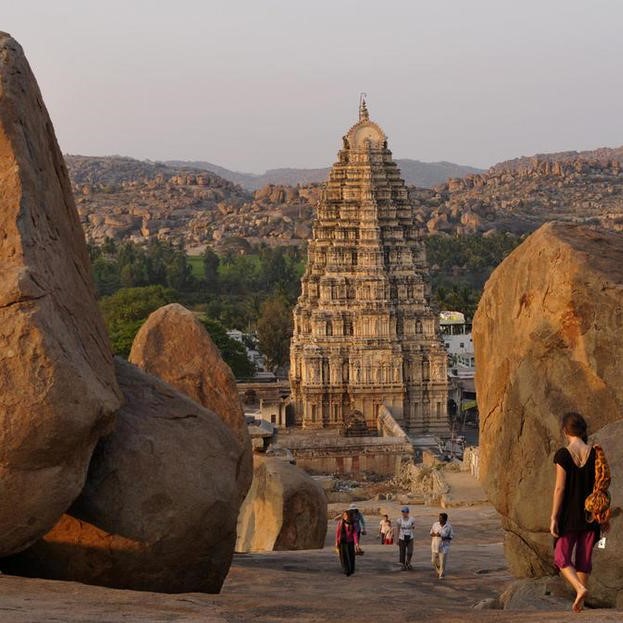
Hampi, Karnataka
The ruins of Vijayanagara, once one of the largest cities in the world, are scattered across a landscape of granite boulders beside the Tungabhadra River. The Virupaksha Temple is still in daily use, and the stone chariot at the Vittala Temple is the site’s best-known image. Hire a bicycle or an auto-rickshaw for the day.
Mehrangarh Fort, Jodhpur
Rising from a rocky hill above the old blue-washed city, Mehrangarh is one of the largest forts in India. Its museum holds royal palanquins, weapons and painted rooms, and the white marble Jaswant Thada memorial is a short walk away.
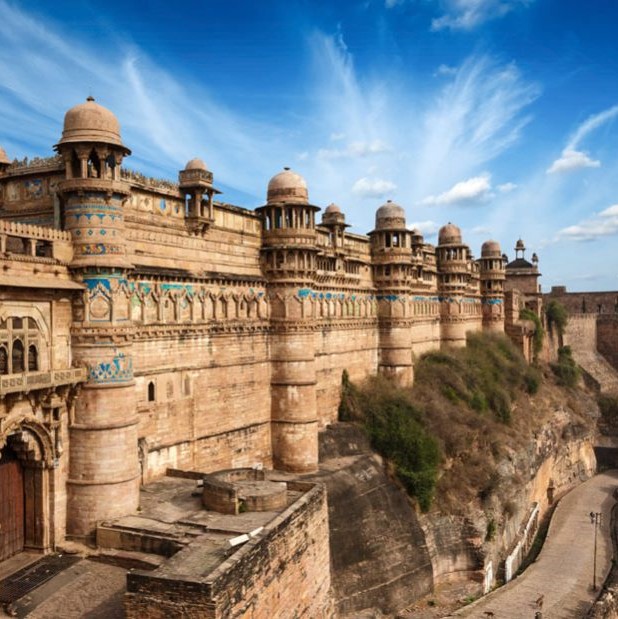
Gwalior Fort, Madhya Pradesh
The hill fort above Gwalior holds the 15th-century Man Mandir Palace with its tiled facades, along with temples and a gurdwara. The view over the city from the ramparts is a good reward for the climb.
Sanchi, Madhya Pradesh
The Buddhist stupas at Sanchi date back to the 3rd century BCE and are among the oldest surviving Buddhist monuments in India. The carved gateways of the Great Stupa tell stories from the life of the Buddha.
Ajanta and Ellora, Maharashtra
These two rock-cut cave complexes are about 100 km apart and are usually visited on separate days. Ajanta is known for its painted Buddhist monasteries; Ellora for the Kailasa Temple, carved from a single rock.
Konark Sun Temple, Odisha
Built in the 13th century as a giant stone chariot with 24 carved wheels, the Sun Temple is one of the finest examples of Odisha’s temple architecture.
Tips for visiting
- Go early: it is cooler, the light is better and the crowds are smaller.
- Carry water and sun protection; there is little shade at most sites.
- Dress modestly at temples that are still used for worship, and expect to remove your shoes.
- Check opening days before you go: some monuments close one day a week.
- A licensed local guide adds a lot at large sites such as Hampi and Ellora.

Ankit Kumar
Writes about destinations, hotels and food across India for the Safarnama travel blog.
Questions or feedback?
Tell us what you thought of this article, or ask us about a trip. Your email app will open with the message ready to send.